Sewage Backup Cleanup in Seminole

Local crews · Open 24/7 · (727) 263-3778

Sewage in the house is not a water problem that happens to smell bad. It is a contamination problem that happens to be wet. Under IICRC S500, water carrying sewage is Category 3 — grossly contaminated, capable of carrying pathogenic and toxigenic material — and it gets handled differently from a broken supply line from the first minute. Different containment. Different protective equipment. Different rules about what can be dried and what has to be thrown away. United Water Restoration Group of Pinellas County works out of 3734 131st Avenue N, Unit #12, Clearwater, FL 33762, in the Gateway area beside St. Pete-Clearwater International Airport. Pinellas Park effectively starts at our door. Downtown St. Petersburg is fifteen to twenty minutes south on I-275, Largo about twenty-five west on Ulmerton Road, and Dunedin and Palm Harbor sit north over the Bayside Bridge. The first call is short: where the water came from, how far it spread, and who is in the house — small children and older residents change how fast we move. We answer at any hour, because a backup does not wait for business hours and every hour it sits makes the job bigger. Call (727) 263-3778.

Seminole is a small city — about five square miles, mostly flat, crossed by Park Boulevard and US 19, sitting along the lower portion of Lake Seminole with Long Bayou and Boca Ciega Bay off to the southwest. It is not a beach town. Madeira Beach sits immediately west and Indian Rocks Beach to the northwest, and both are separate cities out on the barrier islands. That geography matters when water gets into a house here, because Seminole's exposure comes off the bayou and the bay side rather than the open Gulf, and because the housing is mainland housing: single-story concrete block on a slab. United Water Restoration Group of Pinellas County works out of 3734 131st Avenue N, Unit #12 in Clearwater, over in the Gateway area beside the airport. From the shop to Seminole is roughly nine to eleven miles, twenty to twenty-five minutes by Park Boulevard or by Ulmerton to Seminole Boulevard. The phone is answered around the clock at (727) 263-3778, and the rating on that work currently stands at 4.93 stars across 169 reviews.

Crews dispatch 24/7 from our Clearwater base at 3734 131st Avenue N, Unit #12 and cover all of Seminole — one local team, no subcontracted call centers. See all services in Seminole or read more about sewage backup cleanup.

Common Causes We See in Seminole

  • Tree roots intruding into decades-old sewer laterals under the yard
  • Sanitary main surcharging during a heavy summer downpour
  • Grease buildup narrowing a kitchen drain line until it closes
  • Flushable wipes forming a plug at a bend in the lateral
  • Collapsed or offset lateral beneath a 1960s slab-on-grade home
  • Lift station knocked offline during a storm power outage
  • Blocked vertical stack pushing waste into lower condominium units
  • Septic drainfield saturated by a seasonal high water table
  • Toilet overflowing unnoticed while the house sits empty
  • Missing cleanout cap letting yard debris into the line

While You Wait for the Crew

A few minutes of the right first moves can save thousands in damage. Here is what to do — and what not to do — before we reach Seminole.

Do

  • Call United Water Restoration Group of Pinellas County at (727) 263-3778 immediately
  • Avoid contact with the sewage water to prevent health risks
  • Turn off electrical systems in affected areas to prevent hazards
  • Ventilate the area by opening windows (if safe to do so)
  • Move valuables and porous items out of the affected area if it is safe

Don’t

  • Do not attempt to clean the sewage without professional equipment
  • Avoid using sinks or toilets until the blockage is identified and cleared
  • Do not ignore the potential for secondary damage like mold growth
  • Never use fans on the sewage as it could spread contaminants

Crews are standing by near Seminole right now.

Call (727) 263-3778
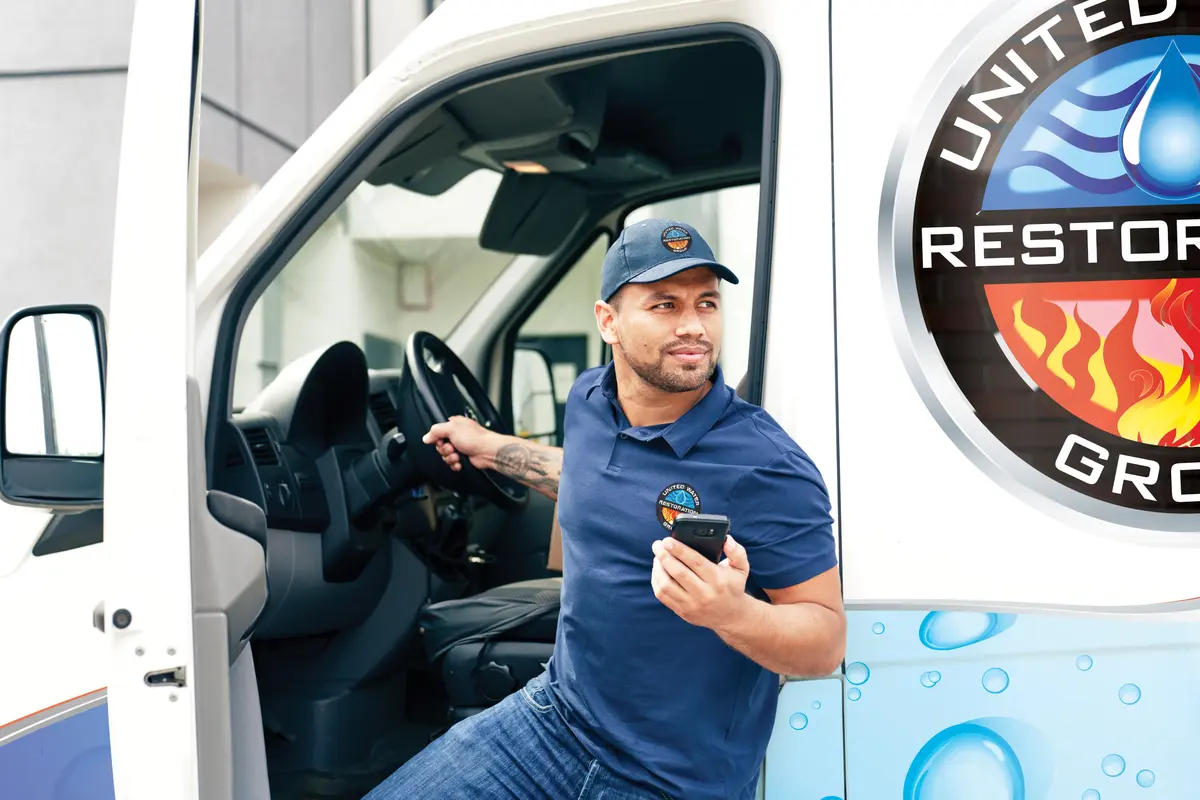
Restoration technician preparing equipment at the van

Our Process

  1. 1

    Initial Assessment and Safety Protocols

    Upon arrival, we assess the site and establish safety protocols, crucial for the diverse homes in Pinellas County with varying layouts. Identifying the Class of water loss and isolating affected areas using containment barriers are crucial steps. We secure the environment from toxic exposure by setting up negative air machines to manage any airborne contaminants.

  2. 2

    Water Extraction and Moisture Mapping

    Utilizing high-capacity water extractors, we remove standing water promptly. Our understanding of Pinellas County’s climate-driven water issues helps tailor this step effectively. We follow up with moisture mapping and thermal imaging to identify areas that require additional attention, ensuring no part of your property is left untreated, which is crucial for older homes with hidden cavities.

  3. 3

    Structural Drying and Air Quality Management

    Once the area is cleared of excess water, air movers and low-grain refrigerant dehumidifiers are deployed for effective structural drying. Particularly in places like Seminole, managing air quality is critical to preventing mold, so we use negative air machines to protect unaffected areas by maintaining safe air exchange rates.

  4. 4

    Deep Cleaning and Antimicrobial Application

    After the structure is dried, we conduct deep cleaning of all surfaces to restore them to a sanitary state. Antimicrobial treatments are applied meticulously to eliminate any residual microbes. This thorough sanitation is vital in humid regions like Palm Harbor where moisture can foster rapid microbial growth.

  5. 5

    Final Inspection and Documentation

    Our technicians execute a comprehensive inspection, documenting each procedure with daily drying logs and photos. We use advanced moisture-level verification tools and software to create a detailed report for your insurance claim, making the process smoother and helping to justify the necessary extent of repairs based on empirical data.

We Work With Your Insurance

Our crews document everything — photos, moisture readings, and a clear scope of work — in the format adjusters expect, and we communicate with your insurance company throughout the job. Seminole homeowners always know what is happening and what their policy covers before work begins.

AllstateState FarmLiberty MutualProgressiveNationwideFarmers InsuranceAmerican Family InsuranceChubbUniversal Property & CasualtyHeritage Insurance
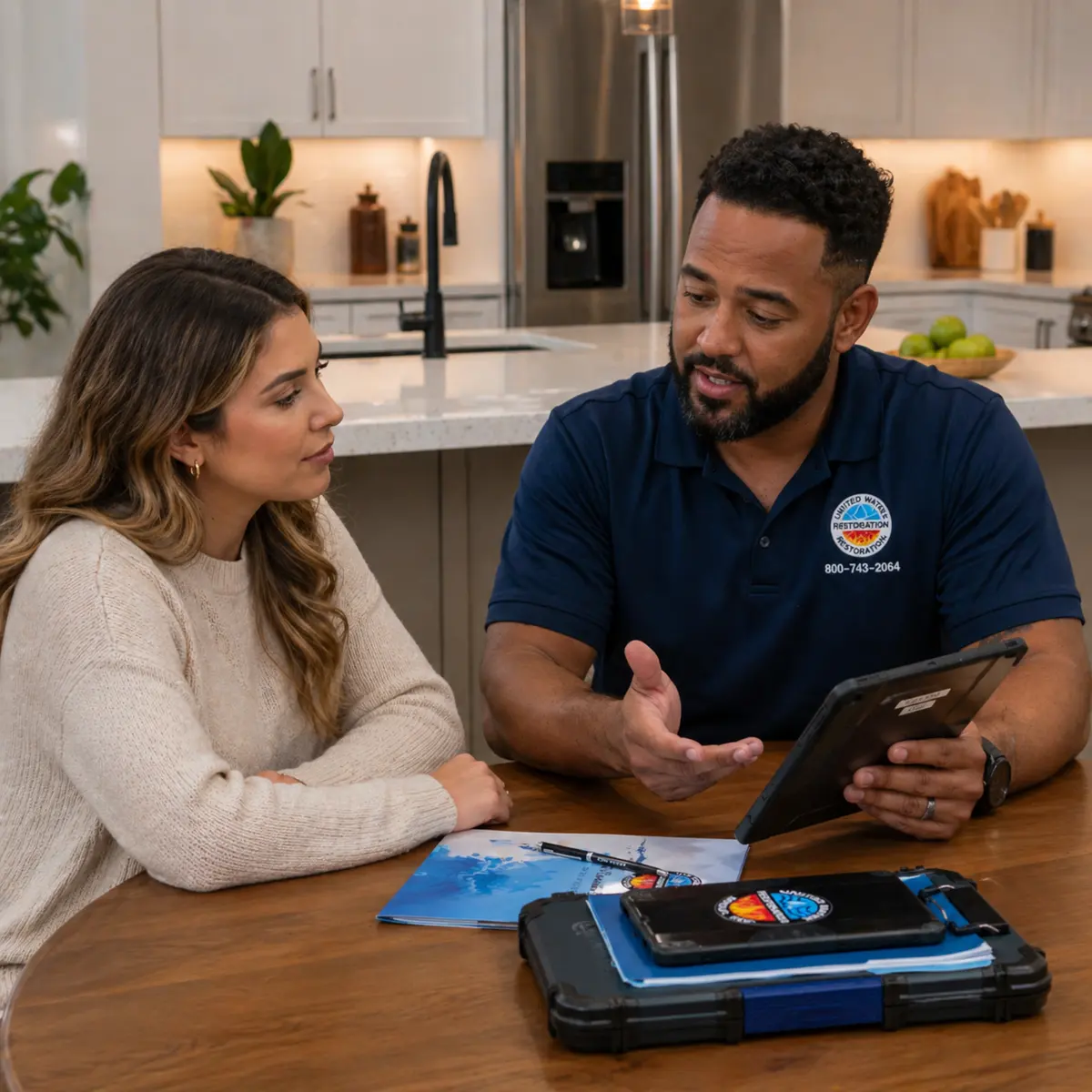
Technician walking a homeowner through the insurance scope on a tablet

Frequently Asked Questions

Do you serve my city, town or ZIP code?

Seminole is inside the territory this office covers, along with Clearwater, Dunedin, Largo, Palm Harbor, Pinellas Park and St. Petersburg. Coverage follows your address rather than how far out a town sounds, so if you are near the edge of that list, give the cross streets or your ZIP code on the call and you will get a straight yes or no before anyone is scheduled.

The town I am in is not the one in your name — do you still come out here?

The city in the office name is where it is based, not the limit of where it works: Clearwater, Dunedin, Largo, Palm Harbor, Pinellas Park and St. Petersburg are covered the same way Seminole is. Franchise territories are drawn by area rather than by the single town on the sign, which is why the name on the door and the town on your mail often differ. Confirm your address on the call rather than ruling yourself out.

How quickly can a crew reach my address?

That depends on where in Seminole you are, the roads, and what the crews already have running, so any single figure published here would be guesswork. The phone is answered around the clock, and you get an honest arrival window for your own address on that call. If water is still coming in, say so first — the steps to take while you wait matter more than the drive time.

Do you work on rentals, condos, businesses and manufactured homes here?

Rentals, condos, storefronts, restaurants and manufactured homes are all routine work, and the building type changes the access and the drying plan more than it changes the method. ANSI/IICRC S500 sorts a loss into Class 1 through 4 by how much water the structure absorbed and how hard it is to dry, which reads the same in a crawl space as in an office. Who pays — owner, tenant or association — is set by your lease, declaration and master policy, so read yours.

Do you clean up sewage backups, including raw sewage inside the home?

Sewage falls under what ANSI/IICRC S500 calls Category 3, the grossly contaminated end of its three water categories, and the standard handles it differently from a clean supply-line leak. Porous materials that absorbed it — carpet and pad, saturated drywall, insulation — usually come out rather than being dried in place, though what has to go depends on your loss, and what stays is cleaned and treated before drying begins. Removing raw sewage from a home or a commercial building is handled here.

How much does sewage cleanup cost?

Cost tracks the Category 3 classification more than the square footage: under ANSI/IICRC S500, contaminated water means porous materials are removed and disposed of rather than dried in place, so two rooms of the same size can price very differently depending on what absorbed the water, how far it traveled, and whether reconstruction follows. Pricing comes from an on-site inspection and a written scope, and the terms for that inspection are stated on the call.

Are your technicians trained and equipped for sewage cleanup?

The work here follows ANSI/IICRC S500, which puts sewage in Category 3 and sets what that triggers: containment of the affected area, protective equipment, removal of porous materials rather than drying them in place, cleaning and treatment of what stays, and documented moisture readings against a dry standard before reconstruction. Crews carry the extraction, containment and drying equipment that sequence needs, and the category assigned to your loss is explained on the call.

Is sewage water dangerous, and can we stay in the house?

Sewage is Category 3 water under ANSI/IICRC S500, meaning it is presumed to carry pathogens, and the EPA and CDC describe contact with it as a route for gastrointestinal illness, advising that people and pets stay out of the affected area. Whether a household stays depends on how far the water traveled, whether it reached sleeping areas or the kitchen, and what containment is possible; a confined area is often isolated while the family stays, and a widespread loss often is not.

Does the plumber have to clear the line before you can clean up?

The source has to be stopped first, and that is usually a plumber's job rather than a restorer's: ANSI/IICRC S500 puts identifying and correcting the source ahead of extraction, because anything cleaned while the line is still blocked is re-contaminated at the next flush. The mold clock in EPA guidance, the first 24 to 48 hours, keeps running meanwhile, so the plumbing call is worth making immediately. Containment and protecting unaffected rooms can often begin before the line is clear.

Is a sewer or drain backup covered by homeowners insurance?

Usually not by default. The standard HO-3 homeowners form excludes water that backs up through sewers or drains, so coverage depends on three things: that form's exact wording, whether a water or sewer backup endorsement was added, and where the backup originated. Endorsements are normally written with their own capped limit rather than the dwelling limit. Pull your declarations page, look for the endorsement by name, and ask your agent directly. Your deductible applies either way and cannot be waived.

Who is responsible if the backup came from the city main or a septic failure?

Responsibility usually splits at one point: the service lateral from the house to the main is the property owner's, the main is the utility's, and a septic system is the owner's alone — EPA guidance treats septic maintenance as the homeowner's job. Where exactly that line falls is set by local ordinance and differs city to city. Which side failed is a finding, so keep the plumber's report and any camera footage; claims against a municipality often carry short notice deadlines, so ask early.

Request Service Online

Tell us what happened and we will call you right back. For emergencies, calling (727) 263-3778 is always fastest — we answer 24/7.

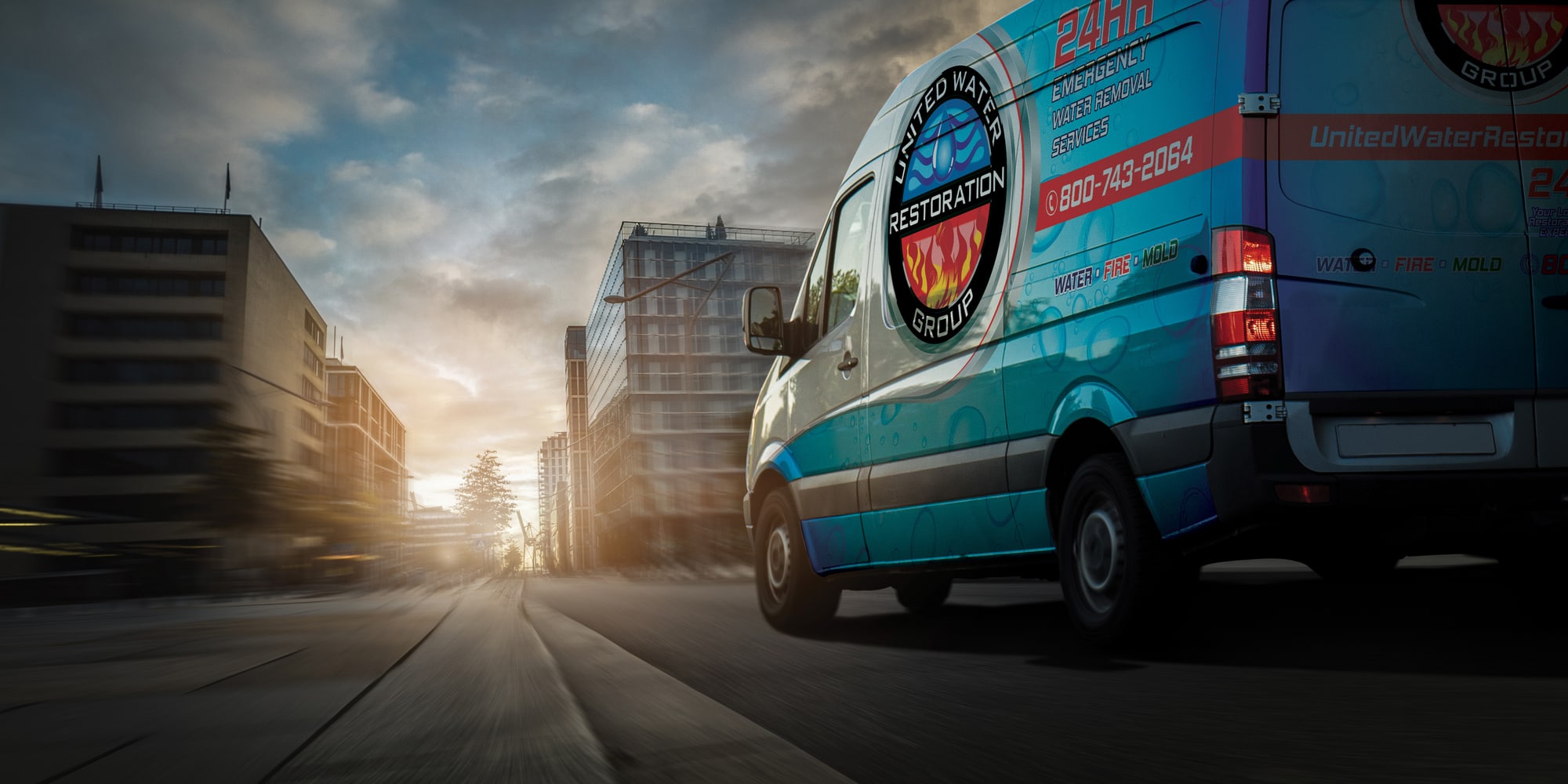
A United Water Restoration Group of Pinellas County van heading out on an emergency call at sunset

In Case of Property Damage, Call:

727-263-3778

We answer around the clock and dispatch from right here in Clearwater.

IICRC Certified · Water · Fire · Mold · 24/7 Emergency Response